

Soil Health Leadership Program
Farmers, advisors and conservation professionals looking to sharpen their skills and further Illinois’ stewardship practices are encouraged to apply for ISAP's Soil Health Leadership program. The program, which brings together diverse participants working together to improve agricultural environmental stewardship, is now looking to fill its seventh graduating class.
Accepted applicants will have the opportunity to grow their soil health understanding, allowing them to become valuable resources for the Illinois agriculture community. Working through the training as a group allows participants the opportunity to expand their professional network and build relationships with other professionals and farmers in their region.
For more information, contact hello@ilsustainableag.org
Meet the 2026-2027 SHLP Participants
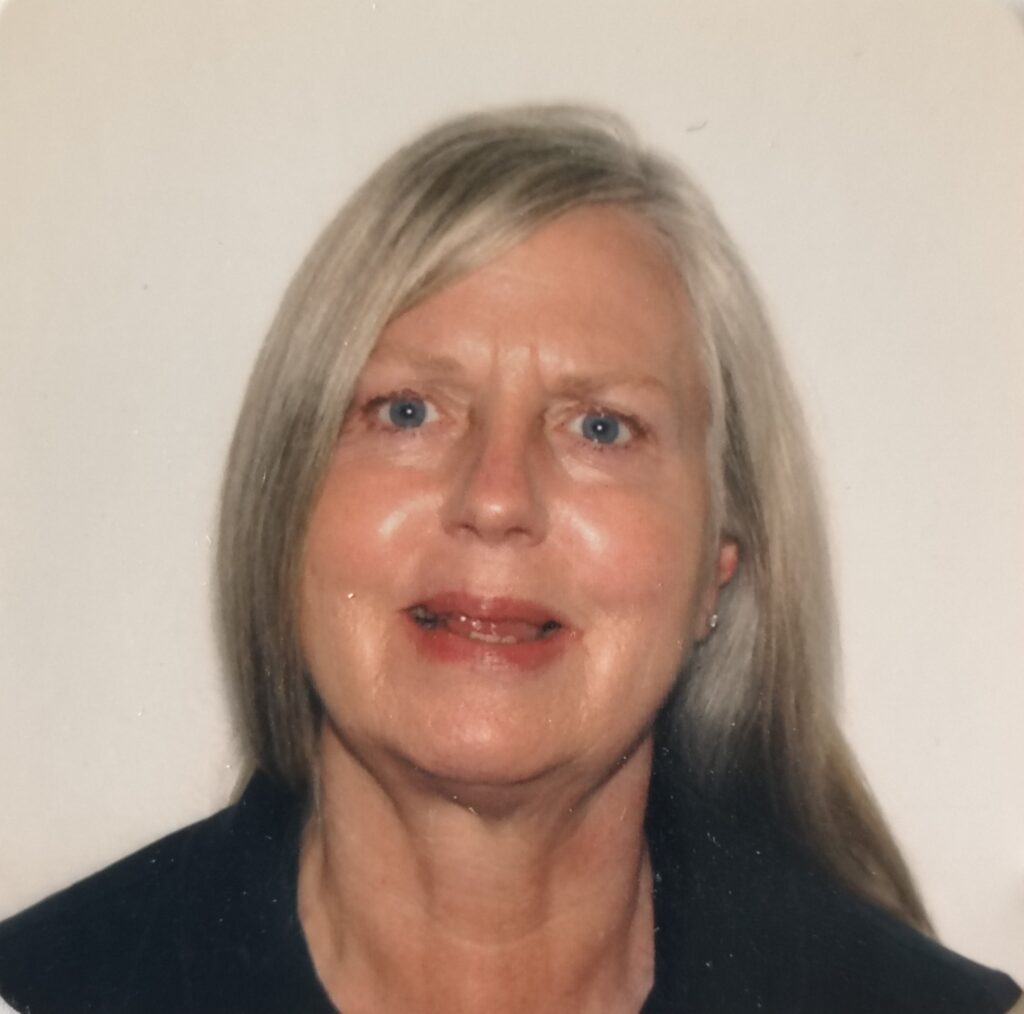 Alicia Henry
Alicia Henry is a retired teacher. She comes from many generations of farmers. She has been managing her family's 180-acre farm in Vermilion County for the past five years. She wants to learn more about soil science to keep the land productive and the environment healthy for future generations.
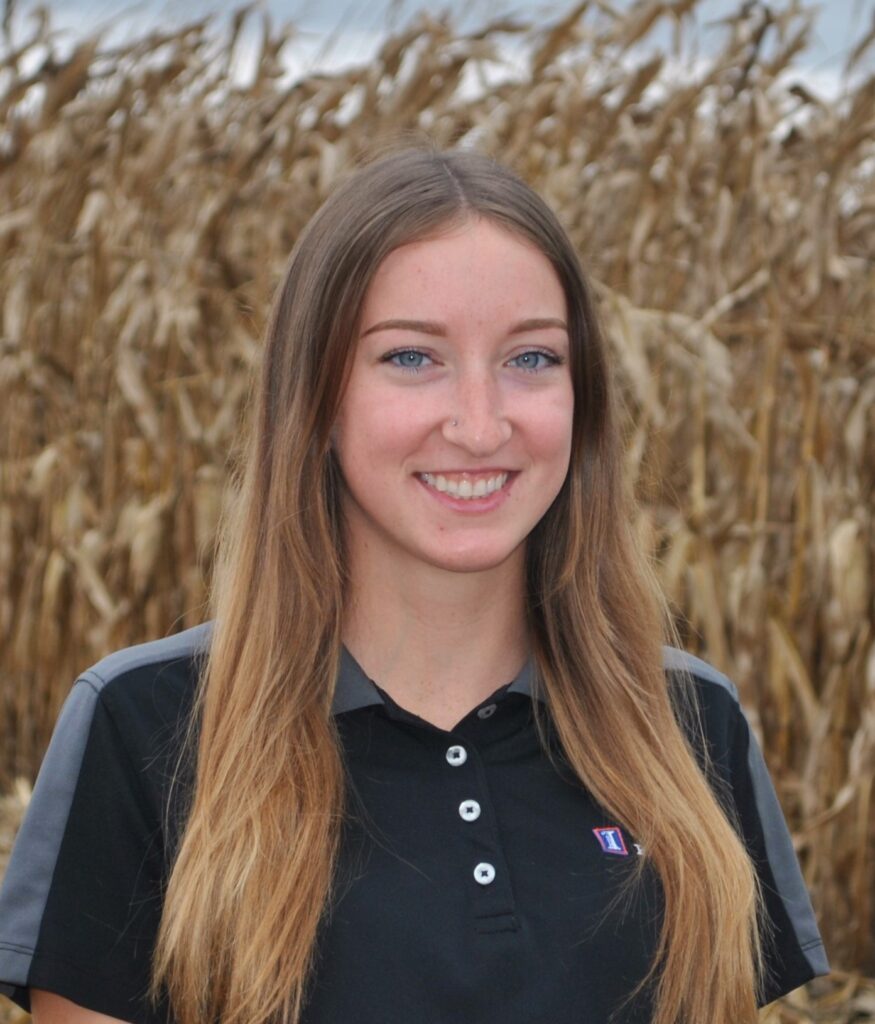
Darby Danzl
Darby is the Regional Technical Agronomist for the Illinois Soybean Association (ISA). In her role, she contributes to on-farm trials, outreach efforts and NRCS partnership responsibilities. Darby holds a B.S. in Environmental Economics and Policy, a minor in Horticulture, and an M.S. in Crop Sciences from the University of Illinois at Urbana-Champaign. Her graduate research at the Crop Physiology Laboratory involved small-plot research with a focus on soil health and regenerative agricultural practices. She is passionate about advancing agricultural sustainability using science-based practices that improve soil health, increase resource efficiency, and boost long-term productivity.
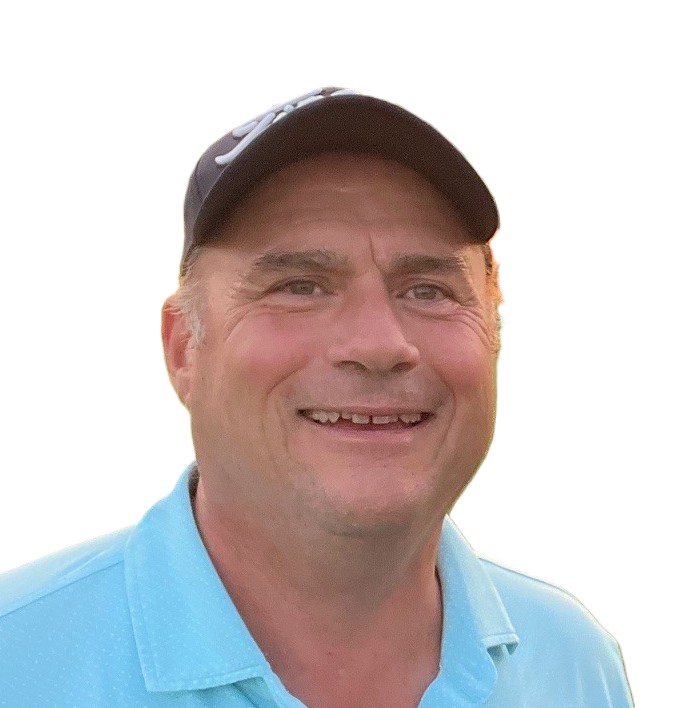 Darian Landolt
Darian leads the Agronomy Team at CNH Industrial, where he guides the development and validation of agronomic product definitions across the Case IH and New Holland crop production, and hay and forage product portfolios. Darian’s areas of agronomic interest include soil health, carbon sequestration, and the integration of cover crops into row‑crop systems—particularly within strip-till environments. With a background rooted in environmental science, Darian previously worked for a major Chicagoland civil engineering firm, gaining extensive experience in stream bank stabilization and restoration, native plantings and habitat restoration, wetland delineation and mitigation banking, tree surveying, and erosion and sediment control planning. He has previously held certifications as an arborist, erosion and sediment control specialist, soil classifier, and wetland specialist. Outside of work, Darian is an avid golfer with a passion for golf course architecture. He is a dedicated father to five children—four grown and one energetic 13‑year‑old multisport athlete—which keeps him busy at youth sporting events. A devoted Big Ten sports fan, he and his family are season ticket holders for Northwestern football and basketball and regularly attend games at venues across the conference. He’s also a lifelong New York Yankees fan and enjoys spending time at Major League Baseball games.
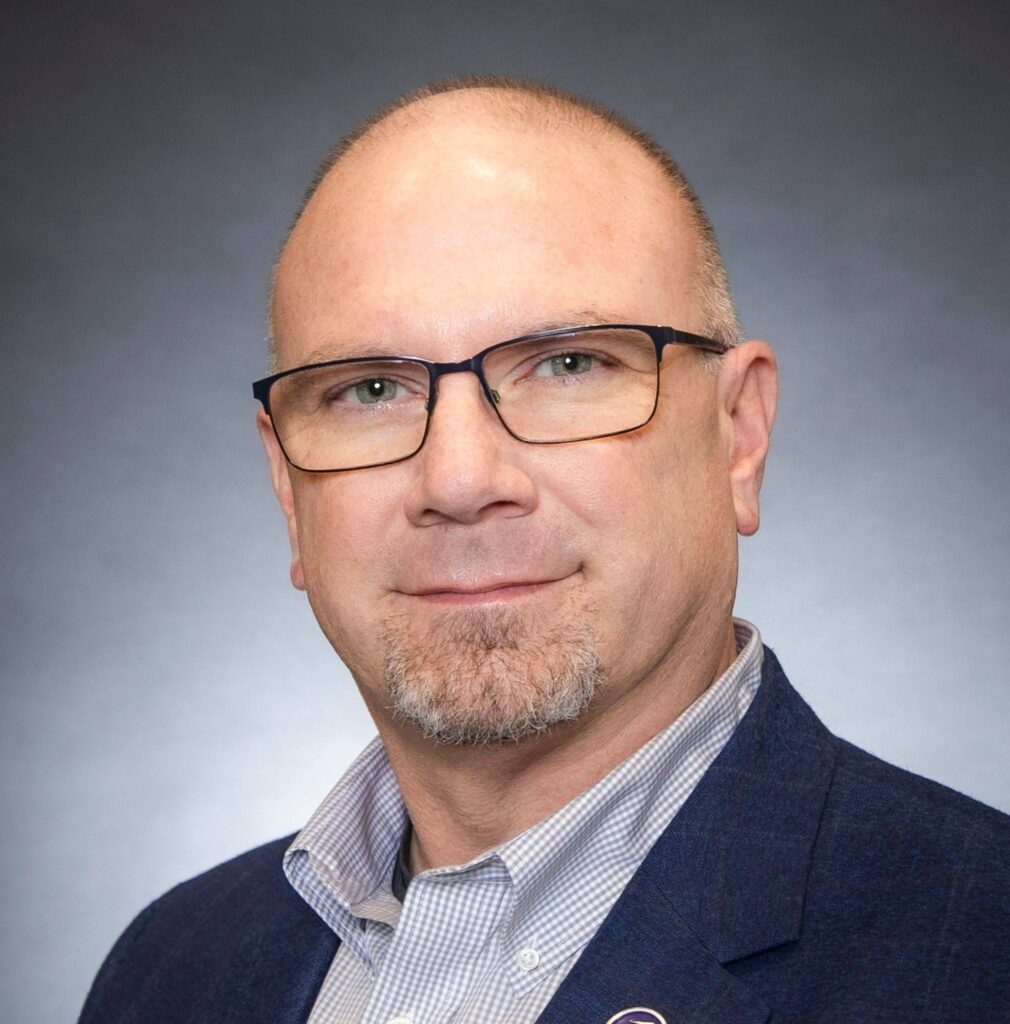 Darren Dalenberg
Darren is an agribusiness leader, business advisor and advocate for practical, sustainable agriculture. With more than 30 years of experience across production agriculture, equipment and agronomy, he brings a practical perspective to today’s farming challenges. He remains active on his family farm near Mansfield, Illinois, with a strong focus on soil health and long-term stewardship. Through LeadershipDNA, he works with organizations to improve communication, alignment and execution.
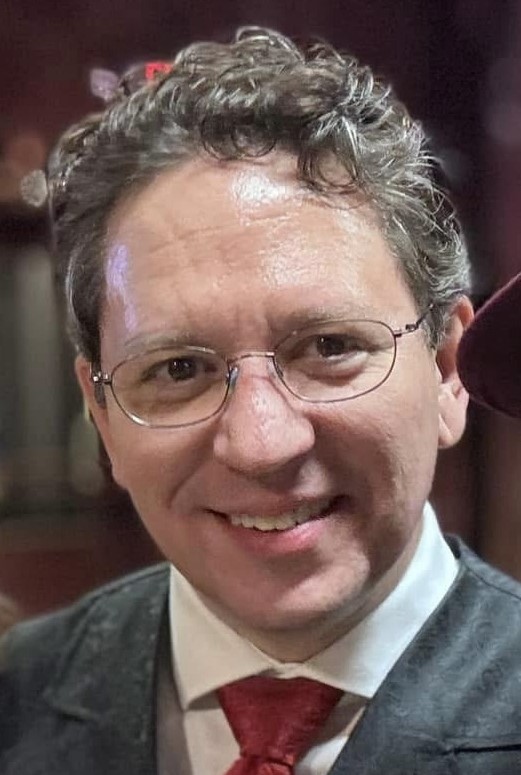 Darrin Johnston
Darrin is a sixth-generation central Illinois family farm owner and lifelong resident. He manages his farms through crop-share partnerships with tenants while implementing USDA EQIP conservation practices and piloting innovative agricultural ventures. A mechanical engineer, Darrin retired from Caterpillar Inc. in 2024 after a 35-year career focused on engine design and the integration of renewable energy technologies with traditional generator sets. He graduated summa cum laude with a BS in Mechanical Engineering from Bradley University in 1993 and has since pursued additional studies in agronomy and animal science. His current professional goal is to develop integrated solutions that simultaneously enhance farm economics, food nutrition, human health, and ecological integrity.
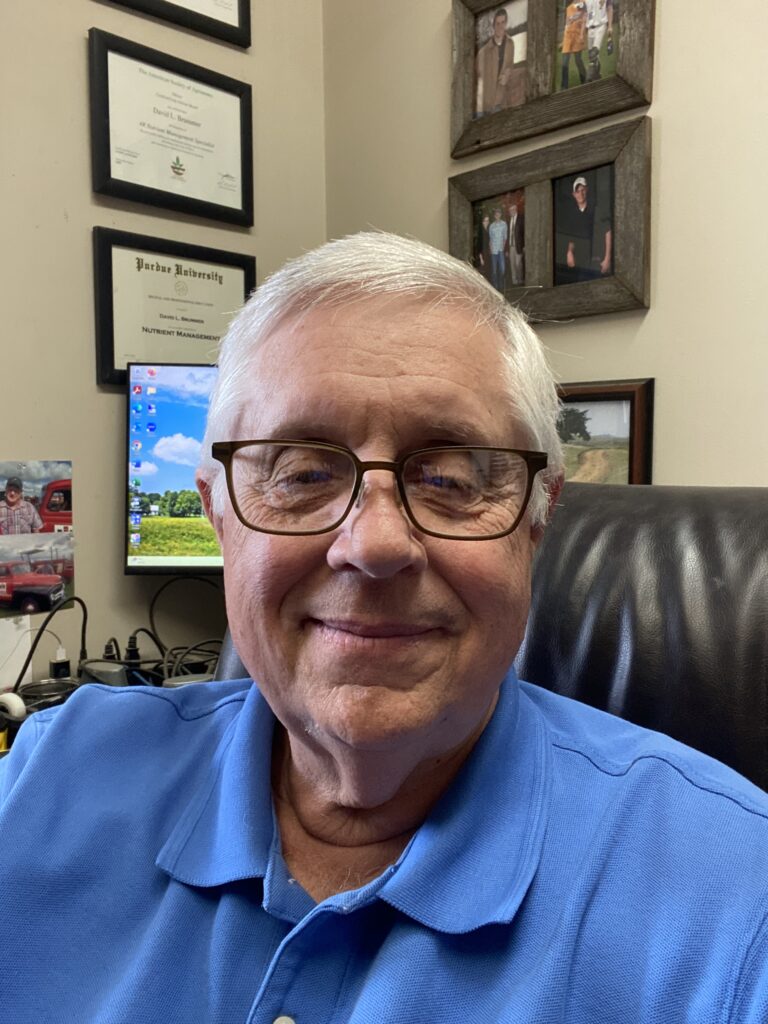 David Brummer
I was raised on a grain and livestock farm in Effingham Co IL. Attended and received a degree in Agronomy from WIU in 1977. After a few years with the IL Dept of Agriculture as a no-till agronomist, I joined KSI Laboratory in Shelbyville IL in 1983. In 1984 I purchased the business and have been managing it for the past 42 years. We have grown to four locations around the state and have been a leading company in the adoption of precision ag practices. I am a past president of the Illinois Soil Testing Association (now ALTA) and a past member of Extension Council and CFAR. Married to wife Gloria. We have three children.
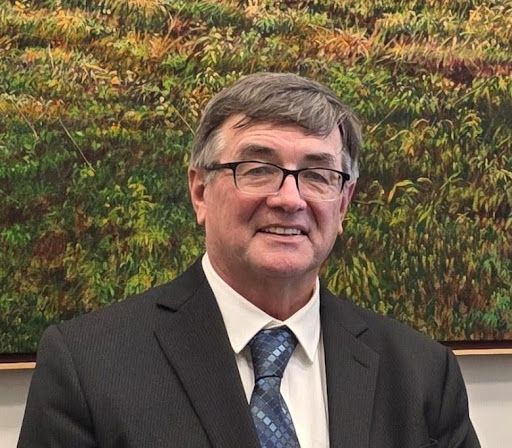 Dennis Godar
Agronomist & Technical Service Provider,(TSP). I work with farmers and landowners in several states to write Conservation Activity plans for NRCS programs. I am certified to write Nutrient Management Plans, Comprehensive Nutrient Management Plans, and Soil Health Management Plans. My company, ManPlan Inc, also does soil sampling, VRT recommendations, CAFO permit applications and annual reports.
Education:
1980 B.S. in Agricultural Economics and Agronomy, University of Illinois, Urbana, IL.
2002 MA.in Environmental Economics / Environmental Risk Assessment, University of Illinois, Springfield, IL.
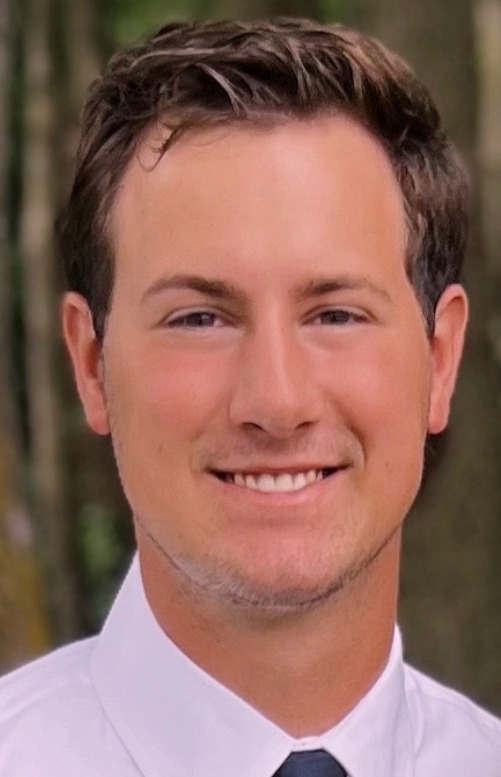
Derek Olson
I'm Derek Olson and I am in agronomy sales at Conserv FS Cooperative which is located in North Eastern Illinois. I'm currently gaining knowledge in operations, sales and soil health. I am in both the organic and conventional sides of farming. My goal is to learn more about soil health to protect the environment and to create the most sustainable and profitable soils we can.
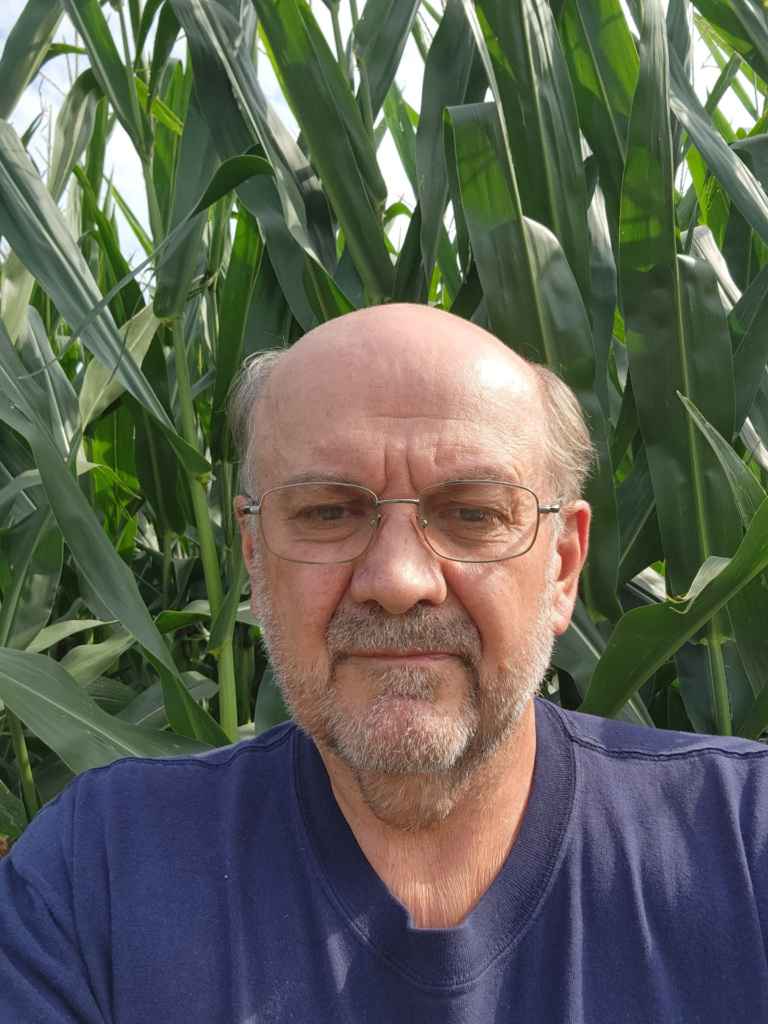 Gary Asay
I am a farmer from Osco, IL. My operation is a 300 a corn soybean rotation using cover crops and no-till on 100% of the acres. I also use manure as the main source of fertilizer. I have seen these practices do amazing things for me and I want to learn more and share what can happen with these practices.
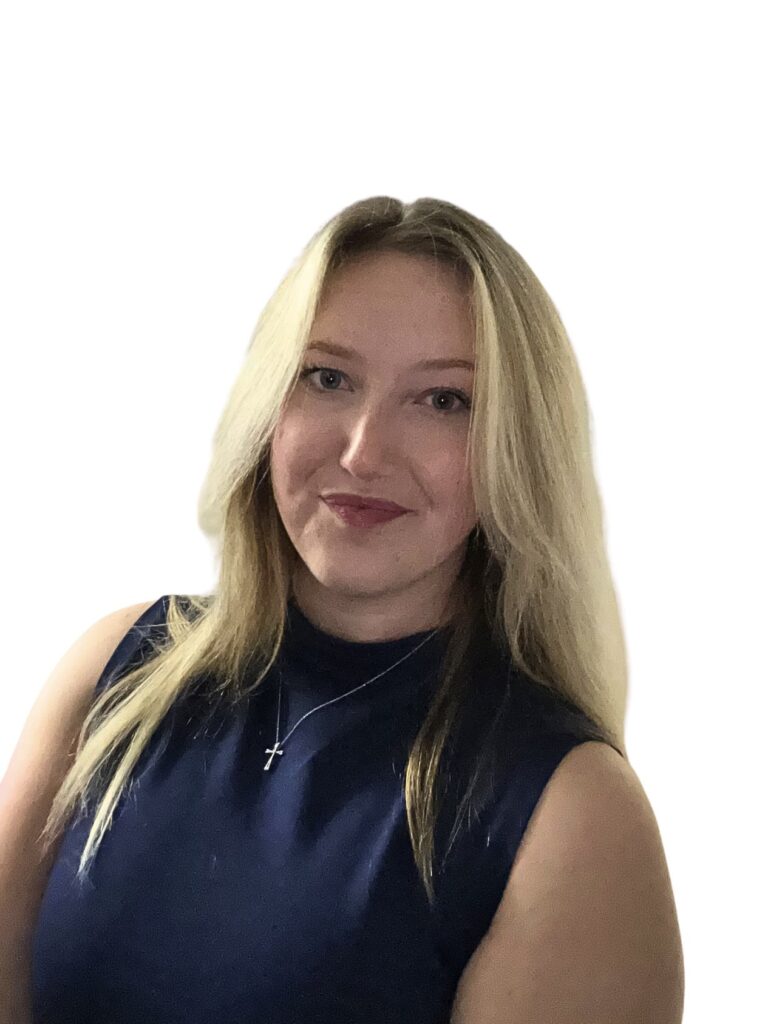 Grace Covelier
Grace Coveliers serves as the Resource Conservationist with the DeKalb County Soil and Water Conservation District. With a background in political science and environmental science from Michigan State University, she works closely with landowners and partners to advance conservation programs and outreach efforts. Grace is passionate about building relationships that support effective, locally driven conservation.
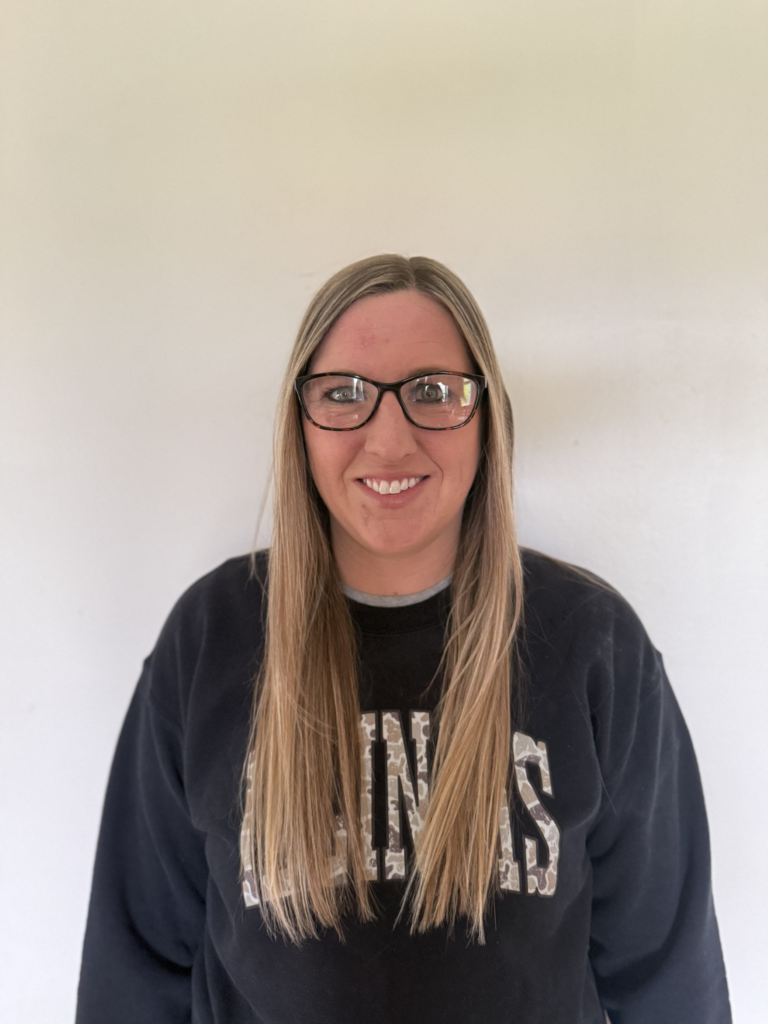 Griffyn Bennet
My name is Griffyn Bennett. I am the Resource Conservationist/ Administrator Coordinator with the Cass County SWCD in Virginia, IL. I have been in my current position since September of 2023. I have my associate degree in general education. I currently reside in Virginia with my husband, our 3 younger children, and my niece and nephew. In my spare time I enjoy spending time with my family, playing sports, and doing anything outdoors. I am excited to be able to have the opportunity to complete this training to better myself and my understanding of soil health, so I can provide more guidance to my producers in my county and surrounding areas.
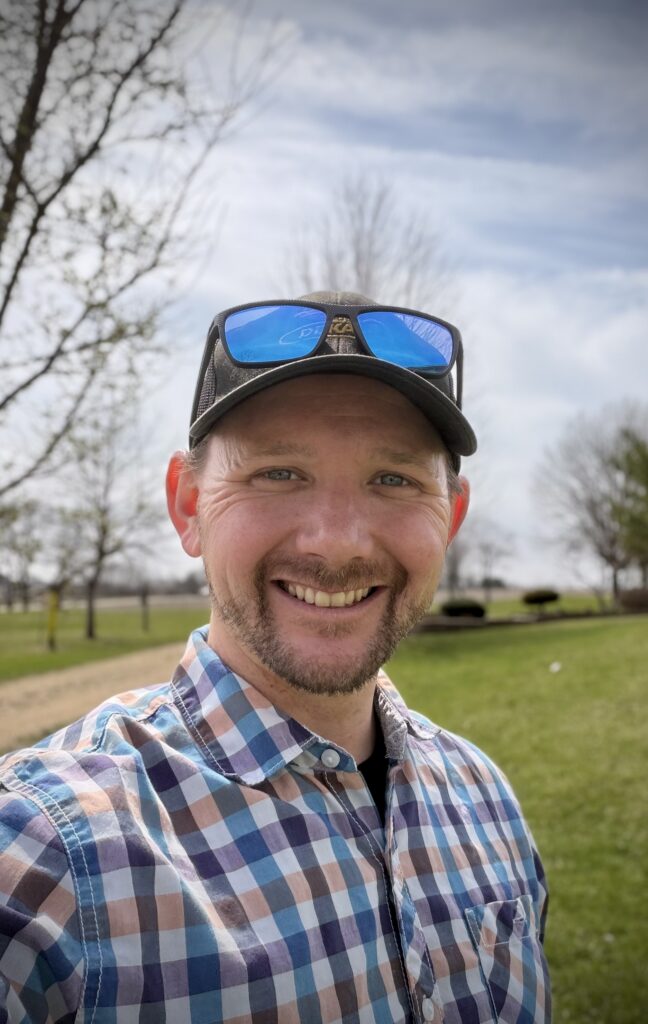 Jeff Woodyatt
Jeff serves as the Resource Conservationist for the Ogle County Soil and Water Conservation District, bringing more than a decade of experience in natural resource management with a strong emphasis on soil health. In his role, he works directly with landowners and agricultural producers to implement conservation practices that treat soil as a critical resource. Through technical assistance and education, Jeff helps landowners adopt practices such as cover crops, reduced tillage, and other soil-focused systems that protect both working lands and water quality. Jeff holds both a bachelor’s and master’s degree in biology from Western Illinois University, where he focused on woodland ecology and botany. He recognizes that healthy soils are foundational to successful conservation and that meaningful progress happens through strong partnerships between public agencies and private land stewards. Outside of work, Jeff enjoys spending time outdoors with his wife and their two young children, sharing his passion for conservation and the natural world with his family.
 Jessica Grissom
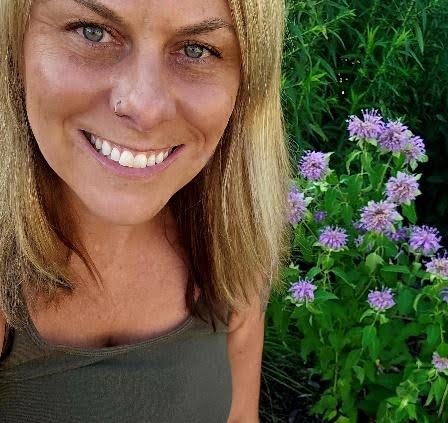
I have been the Resource Conservationist for Mercer County SWCD since late 2022. I have a degree in Biology and Environmental Studies from WIU. My background and knowledge is rooted in conservation and ecology. Since I have started this position, I have been learning more about soil science and agriculture. My goal is to help landowners implement good conservation and soil health practices on the land and help them be sustainable for the future.
 Kate Baker
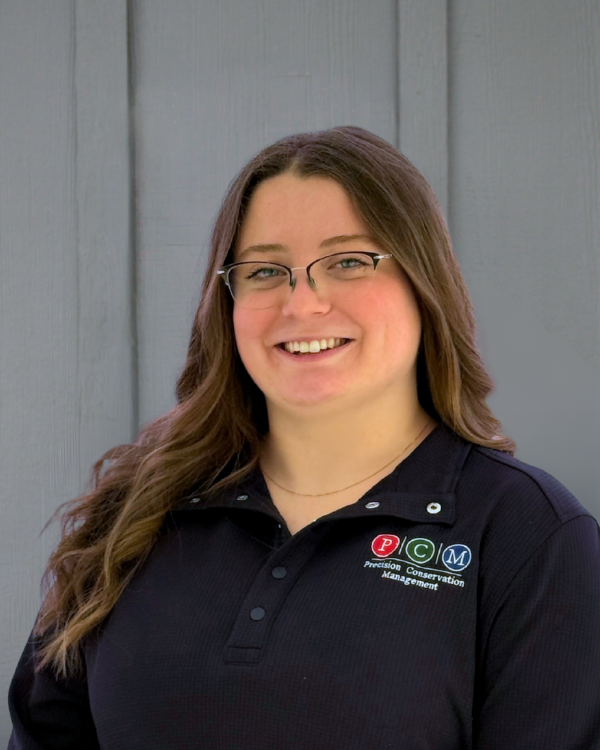
Kate Baker is a new PCM specialist serving the Southeastern Illinois region. Originally from Neoga, IL, Kate was very involved with FFA in high school, particularly with agronomy and agricultural sciences, leading her to pursue a career in agriculture. She obtained her bachelor’s in crop, soil, and environmental management, as well as her master’s in plant, soil, and agricultural systems, both from Southern Illinois University- Carbondale. During her bachelor’s, she began working in a research lab and developed a passion for soil science. This led her to spend approximately four years working directly on projects researching cover crop varieties, cover crop management practices, and plant-soil nutrient balances. Now, as a PCM specialist, she directly serves growers in her community and surrounding by helping them navigate the economics of conservation. By engaging with farmers individually, she offers technical guidance that enables them to make sound stewardship choices, while maintaining their profitability. Kate currently lives in rural Neoga on her family’s farmstead. She enjoys swimming, fishing, hiking, and traveling. She especially enjoys spending time with her friends and family every chance she gets. She is a proud SIU alumnus and loves to cheer on the Salukis!
Kerry Warren-Couch
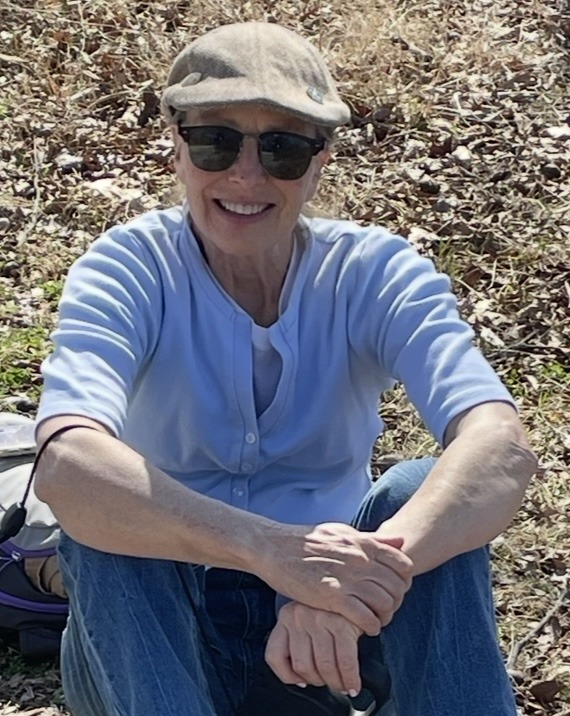
I grew up on a self-contained farm in Western Pennsylvania where we raised cattle, dairy cows, horses, sheep, chickens, field & sweet corn, and hay. We also had a large fruit orchard and extensive vegetable gardens. My family used what is now termed, regenerative farming practices, for managing our livestock as well as our land & woodlands. As an adult, I acquired a few university degrees and retired from a healthcare profession. During my active career, my spouse & I always lived on farms in various parts of the country, where we raised horses, hay and native gardens, applying the practices I learned growing up in Western PA. I am now retired and am fortunate to live on a lovely farm in Southern Illinois. I kept horses and grew organic hay until my last retiree horse passed away a few years ago. I have always been curious regarding the mysteries of the natural world, so embarked on a learning journey. I became an IL Master Naturalist which led me to study our beautiful IL native trees via forestry management courses, also learning about our magnificent prairies, all which led me to the wonderful mystery of soil. I am so fascinated by soil and its complexities. In addition to learning, I do quite a bit of volunteer conservation work with Heartlands Conservancy and Clifftop NFP. My husband & I also participate with IDNR as prescribed burn volunteers & assist with 12-20 burns a season. Further, we are site stewards of a remnant hill prairie along the bluff corridor and associated woodlands, within the large 400+ acre White Rock Nature Preserve, under the direction of the three White Rock head stewards & Debbie Newman, with IDNR.
 Kevin Thole
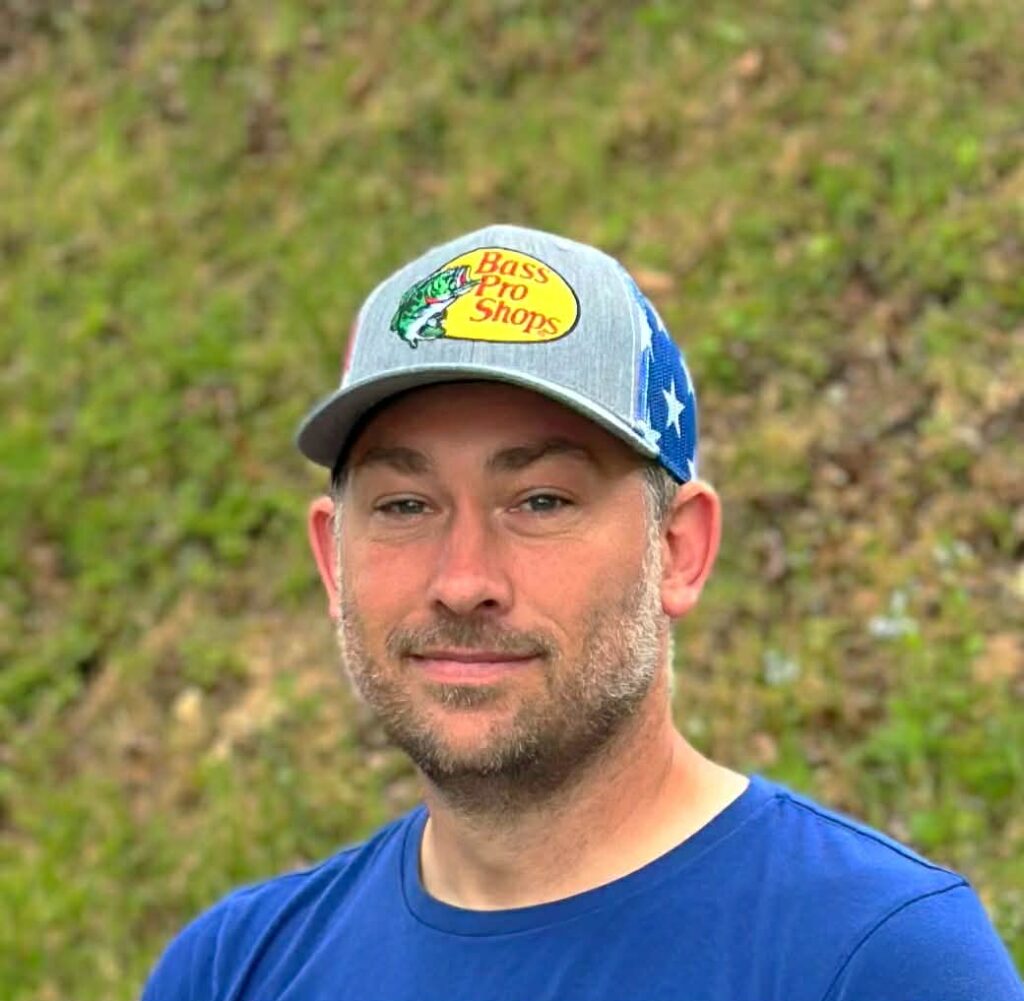
Kevin Thole, I am a dairy farmer from Mulberry Grove, Illinois. I have a degree in animal science and have been managing my families dairy farm since 2009. We started cover cropping in 2017 which has led us down the soil health journey that we continue to this day. My wife and I have 2 young boys that love animals. We have cows, horses, chickens, pigs, cats, and dogs on the farm. Also, I enjoy hunting, going to the racetrack., and attending soil health events.
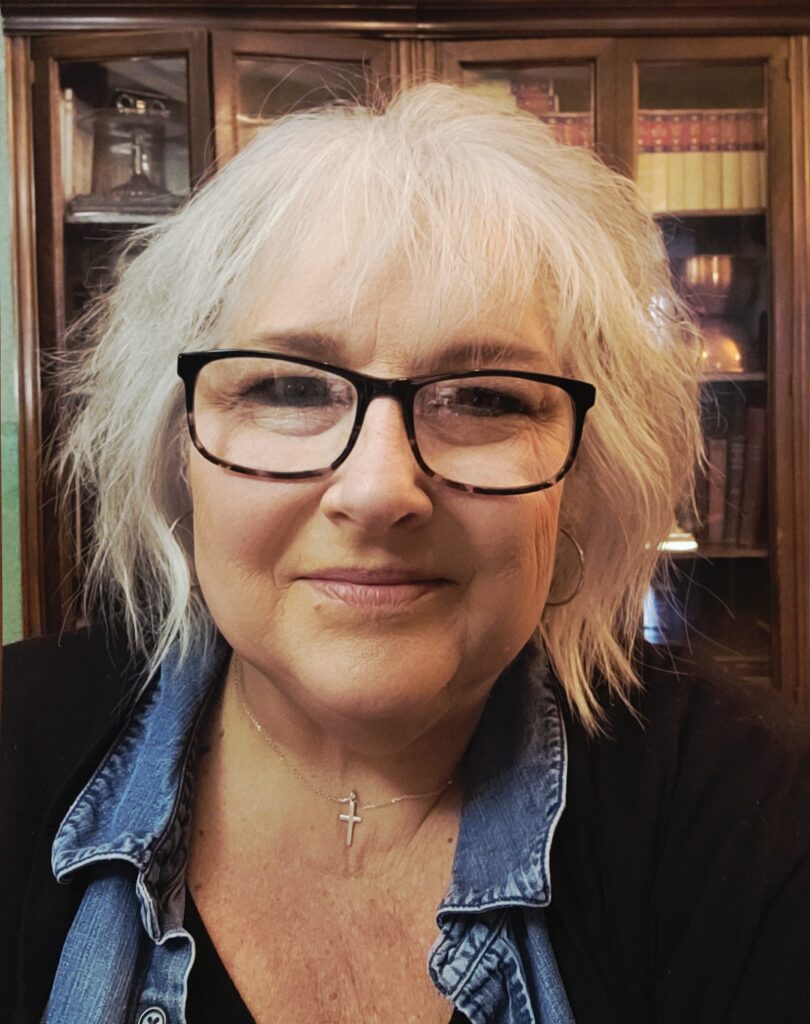
Kim Sheese
Kim Sheese lives on her family’s farm outside of Aledo, Illinois, and is a graduate of the University of Illinois College of ACES. She is a passionate lifelong learner who enjoys exploring everything from regenerative agriculture to cutting-edge technology. She has spent her career bridging these worlds—empowering farmers with data tools, software, and hands-on training—and, later, as the producer of a podcast highlighting regenerative practices such as the five soil health principles, cover crops, no-till farming, and real grower stories shared by leading experts. In 2023, she put her money where her mouth was by escalating her commitment to soil health, teaming up with her husband, Jack, to manage her family’s 80-acre centennial farm and implement regenerative practices firsthand. Today, she and Jack continue to manage the family farm, and she remains a dedicated advocate for resilient soils, community service, and the ongoing vitality of rural Mercer County.
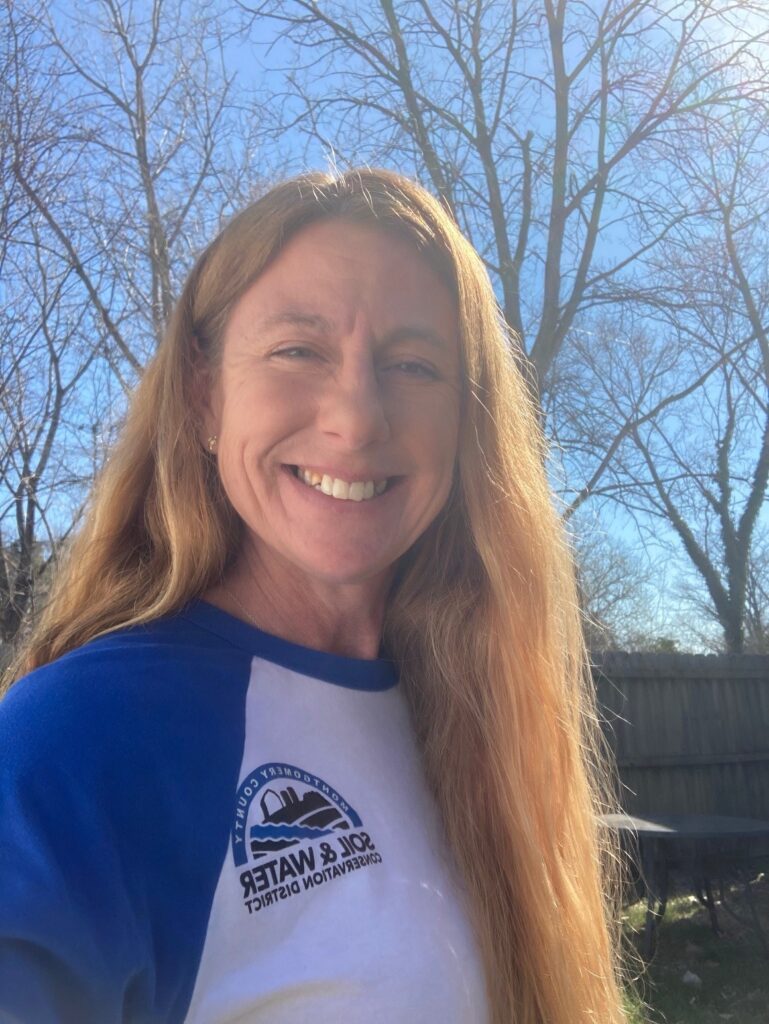 Lora Scott
Lora Scott- I am the Resource Conservationist for Montgomery County Soil and Water. I was born and raised in Montgomery County in Hillsboro and have returned to my hometown after 17 years in Hawaii. I gained a deep respect for the land and the water in Hawaii and want to bring that passion home to conserve our resources for the future generations.
 Lucas Chamberlain
Lucas Chamberlain oversees Delta Institute's Resilient Agriculture initiative. Prior to joining Delta Institute, Lucas worked as a farm manager and a soil ecologist for the Chicago Botanic Garden and the University of Wisconsin-Madison. He also served as a Science Communications Fellow and volunteer research assistant for the John G. Shedd Aquarium. He is a member of the Soil Science Society of America as well as the Soil and Water Conservation Society. He earned his BS in Anthropology from Illinois State University and his MS in Plant Biology and Conservation from Northwestern University. In 2022, his soil health research was published in Frontiers in Sustainable Food Systems: https://doi.org/10.3389/fsufs.2022.1010298
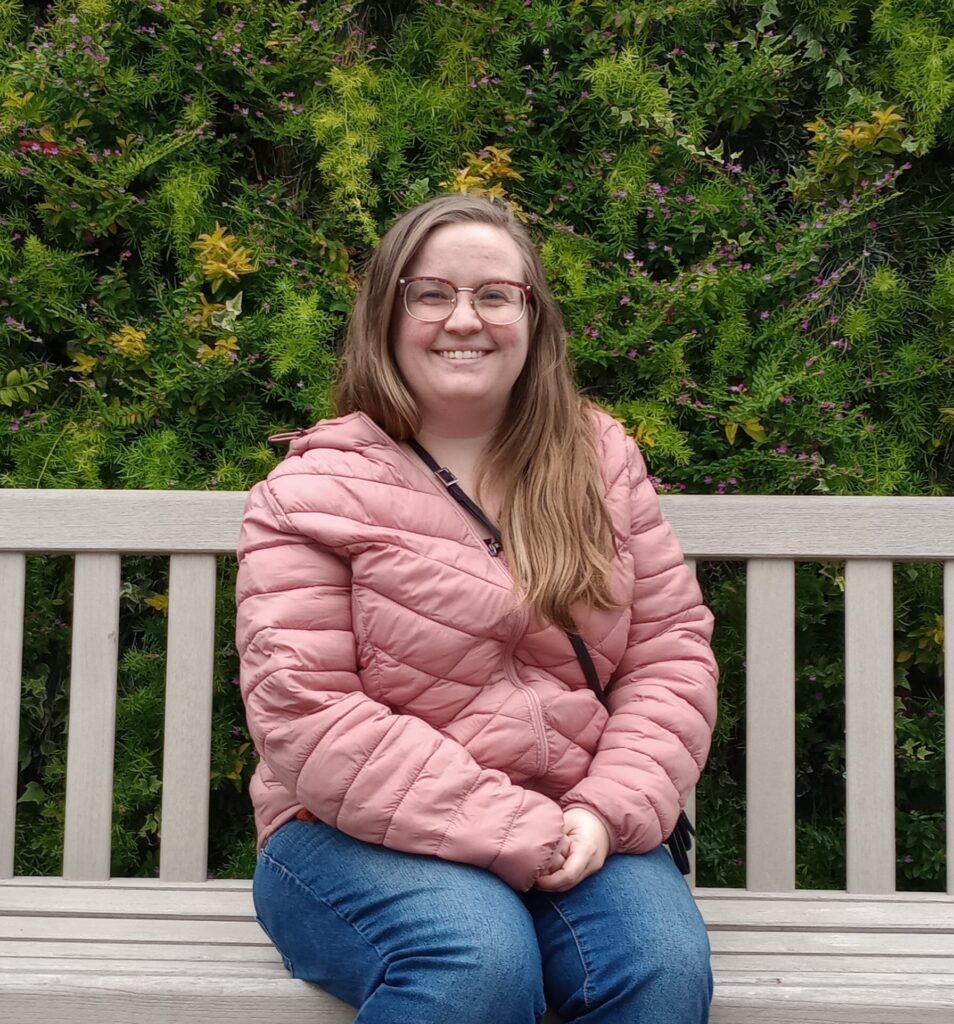 Malina Przygoda
Hi, I'm Malina! I grew up and live in Charleston, IL. with my husband and two dogs. A few of my hobbies include hiking, canoeing, gardening, baking, and crafting. I graduated from EIU with a B.S. in Environmental Biology. Since graduation, I have worked a couple places, and all have given me new perspectives, including a Nature Center, a rural water department, and even a bakery (for a very short time). I took over the Resource Conservationist position for Coles County Soil and Water in April of 2025 and have learned so much. The ISAP courses that we took through Soil and Water last year were extremely helpful in being able to better understand soil health and how it relates to conservation ag. I am excited to continue these courses so that I can further understand and relay that information on to the farmers that come into my office.
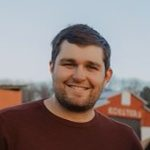 Nathan Koester
I grew up on an organic dairy operation near Scales Mound, IL, which is currently run by my father and brother. My wife, 2 kids and I operate a farm where we graze sheep and cattle, small grains,corn and soybeans. I am looking forward to learning from others as we tour the soils of Illinois the next year and a half!
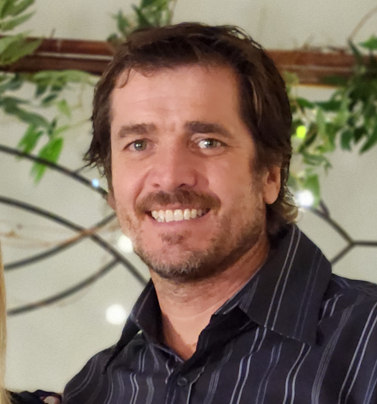 Nick Pingsterhaus
Nick is a dedicated crop farmer and skilled hoof trimmer whose work is rooted in discipline, tradition, and a deep respect for the land and livestock he cares for. Known for his driven nature and old-school values, he approaches both his profession and personal life with honesty, integrity, and a strong work ethic. Beyond his work, Nick takes the greatest pride in his role as a father to his four children, investing his time in teaching them practical life skills and the importance of character. Guided by his faith, he strives to lead by example—instilling the same principles of hard work, responsibility, and purpose in both his family and his community.
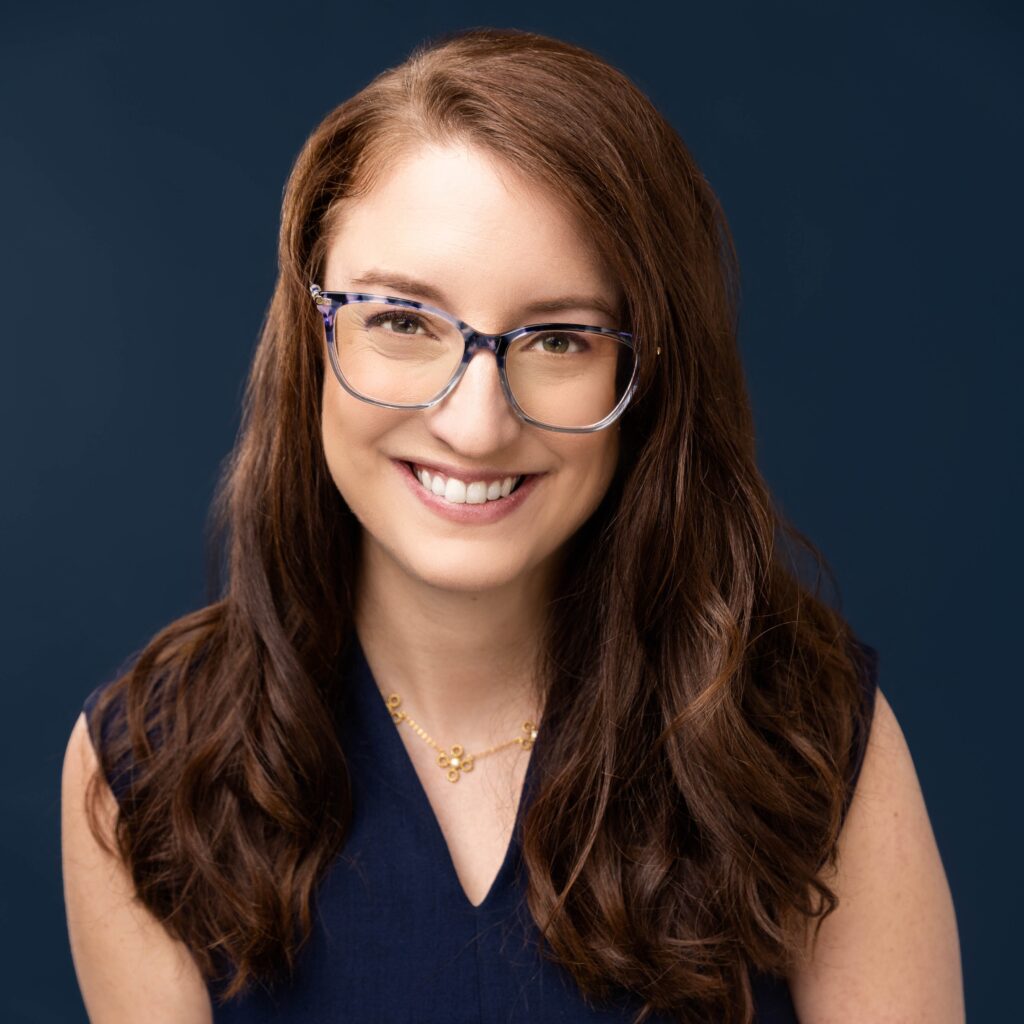 Rachel Owen
Rachel Owen is the Principal Consultant and Owner of RKO Consulting, where she advises organizations on agriculture policy, strategic planning, and project management, focusing on advancing soil health and conservation outcomes. Rachel holds a Ph.D. in Soil Science and Agronomy and brings deep expertise at the intersection of science, agriculture, and policy. She is also a co-founder of the MOST Policy Initiative, where she helped develop “Science Notes,” a model for delivering nonpartisan scientific information to policymakers. She lives in Illinois with her husband and three young daughters.
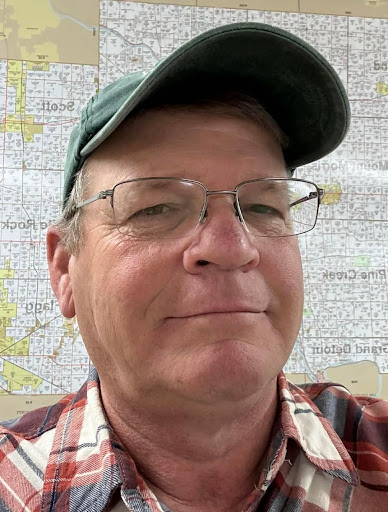 Sterling Taylor
Sterling started working for the Ogle County Soil and Water Conservation District (SWCD) in 1987, providing conservation engineering and technical assistance to agricultural producers in northern Illinois. He now serves as the executive director for the Ogle County SWCD and serves as a member of several local and state organizations. After graduating from Illinois State University, with a degree in Agriculture, he returned to his family farm north of Mount Morris, Illinois, in Ogle County. After some encouragement from a coworker, in 1988 he started no-tilling and has continuously done so since. Over the years he has conducted many soil and plot tests while implementing a system of waterways, terraces and crop rotations. Sterling along with his daughter also implement a rotational grazing system for their 50 head cow/calf Angus herd. A herd started by his family in 1882.
Program Details
Location: Peoria, Illinois
Topics:
Soil health principles and demonstrations
Cover crop species selection and seeding techniques
Nutrient Loss Reduction Strategy (NLRS) and introduction to water quality’s relationship to soil health
Location: Champaign, Illinois
Topics:
Introduction to nutrient management and soil testing
Cover crop management, field observations and conservation tillage
NLRS and water quality (part 2): Meeting the goals of the NLRS
Location: Southern Illinois
Topics:
The economics of soil health (part 1): costs and rewards of adopting soil health systems
Risk management and soil health
Integrated pest management (IPM) (part 1): IPM in soil health systems
Cover crop termination and spring management in soil health systems
Location: Western Illinois
Topics:
Soil Biology (part 1)
Increasing diversity through livestock and extended rotations
Nutrient management (part 2), management in biological systems
Location: Northern Illinois
Topics:
Soil biology (part 2): Soil Biology in advanced soil health systems
Livestock and crop rotations (part 2)
IPM (part 2): Managing pest concerns in active biological systems
Carbon's role in the soil system
Location: Central Illinois
Topics:
Soil Health Economics (part 2): Economics of advanced systems
Barriers to adoption and messaging for effectiveness
Soil health principles and demonstrations: tying it all together
Read About Past Trainings
Following each in-person session of the 2023-2024 cohort, a training participant wrote a recap blog to share about the content of the training, what they learned that stood out to them, and how they plan to apply those learnings in their work. The 2023-2024 training was supported and funded by the Illinois Soybean Association. Read a recap of a recent Soil Health Training below.




Resources
Access a variety of soil health and in-field management resources on our Learn page.
Advanced Soil Health Training graduates and trainees can access course materials here.

 Funded by the Illinois Soybean Association Checkoff Program
and The Nature Conservancy.