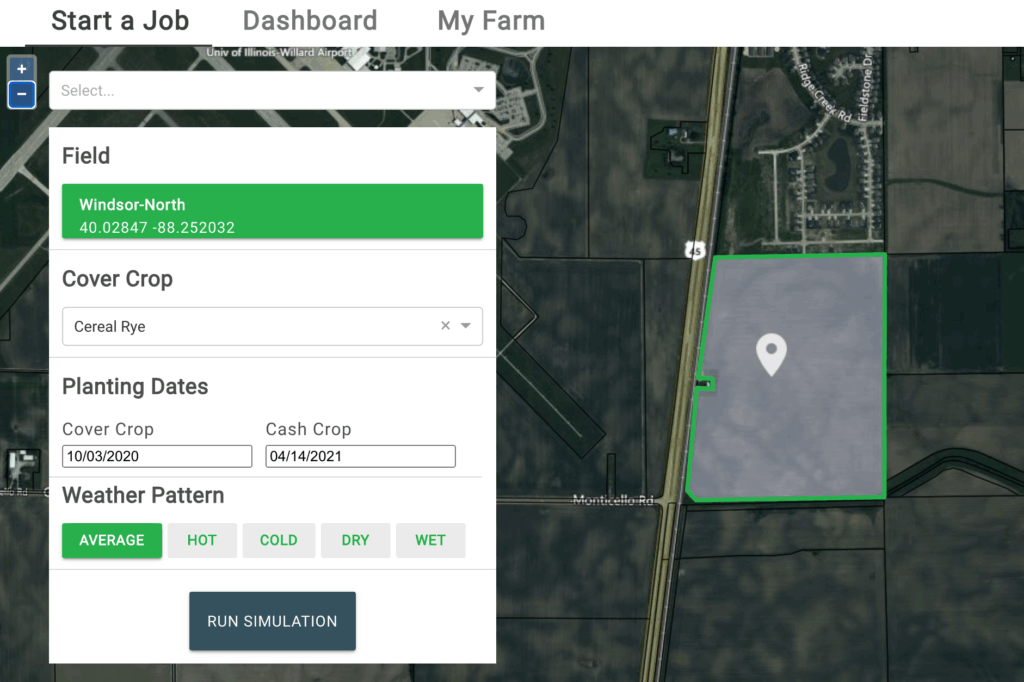

ISAP’s Edge-of-Field Incentive Directory
ISAP’s Edge-of-Field Incentives Directory provides an overview of edge-of-field (EoF) incentive payment opportunities for farmers in Illinois. EoF practices are defined as those practices which intercept, capture, and treat subsurface…

ISAP’s Ecosystem Market Information Fact Sheet
ISAP’s Ecosystem Market Information fact sheet provides a brief overview of carbon and water quality credits, a list of planning resources to assist in evaluating market potential, and tabular overviews…

How to Grow and Sell Carbon Credits in US Agriculture
From Iowa State University Extension, this report compares the requirements to grow and sell carbon credits across 13 private voluntary agricultural programs in the United States.
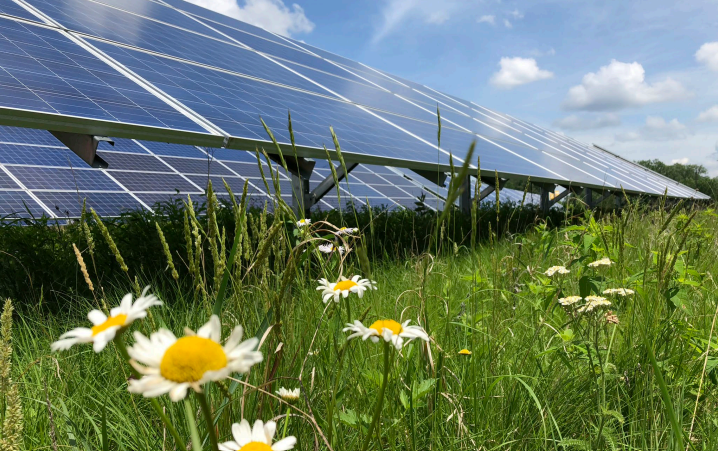
Illinois Solar Siting Overview
In the last year there has been a noticeable increase in the development of commercial and utility scale solar in the Midwest. The rapid expansion creates opportunities for farmers and…
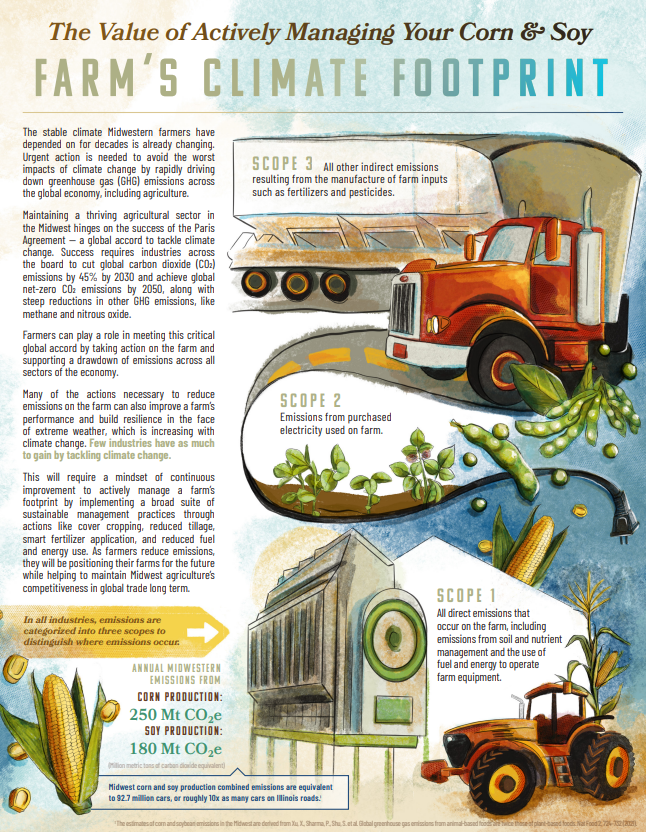
Actively Managing Your Farm’s Climate Footprint
The Nature Conservancy, American Farmland Trust, Wisconsin Land & Water, and the Wisconsin Department of Ag and Consumer Trade Protection (WI-DACTP) collaborated to create a resource to assist farmers and…
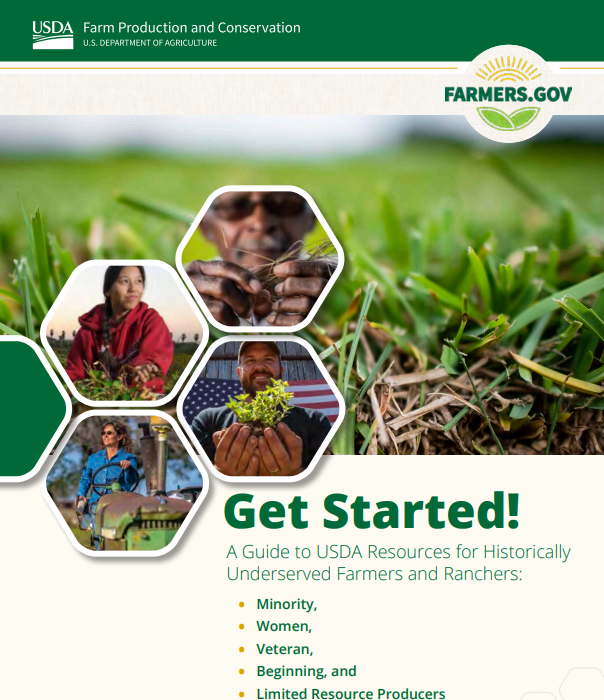
A Guide to USDA Resources for Historically Underserved Farmers and Ranchers
This guide can help you get started with USDA, whether you are new to farming, ranching, or forestry management, or just new to working with USDA.
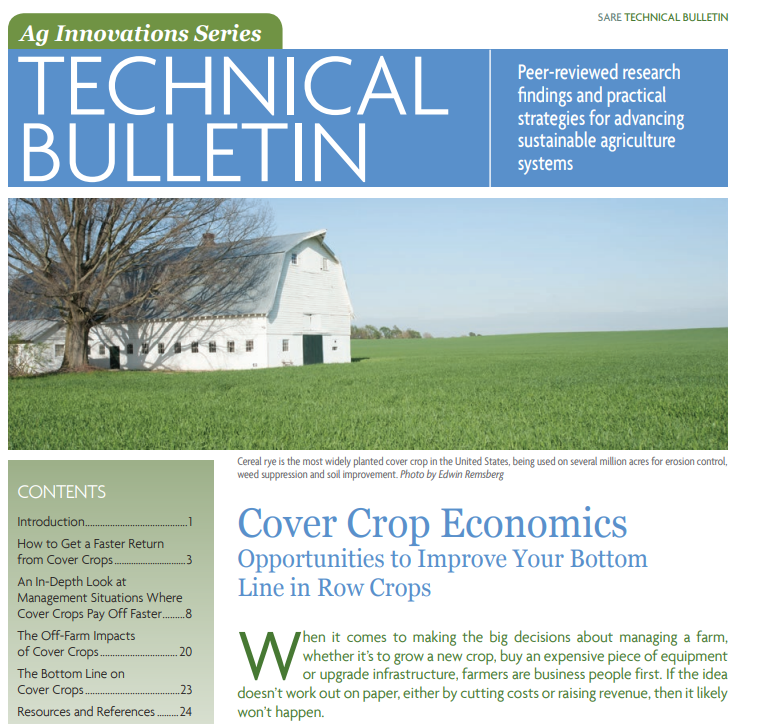
“Cover Crops Economics” Report – SARE
The Sustainable Agriculture Research and Education’s “Cover Crop Economics: Opportunities to Improve Your Bottom Line in Row Crops” looks at the economics of cover crops in corn and soybean rotations to…

Michigan State University Drainage Resources
This Michigan State University Biosystems & Agricultural Engineering website provides education and practical solutions to address drainage issues.