
Recent News
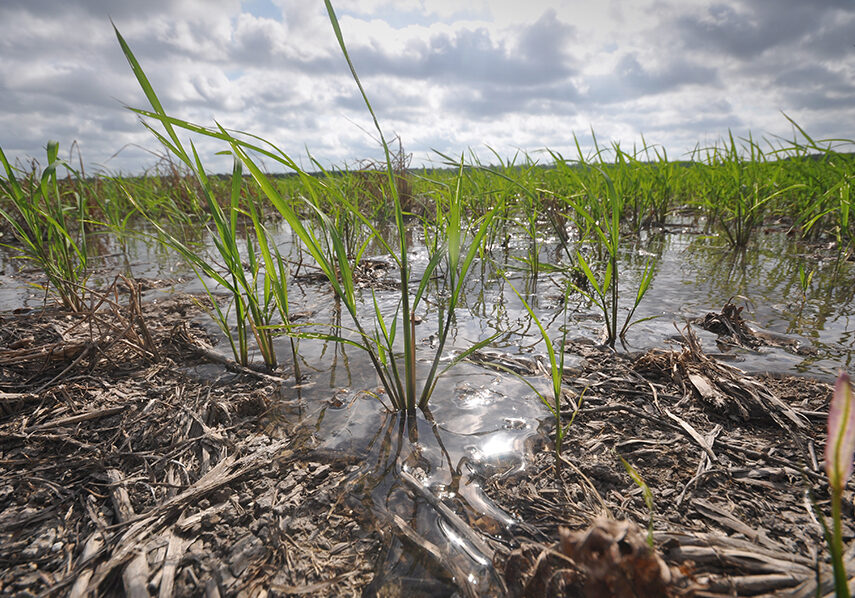
Return on Investment for Conservation Drainage
On November 12, the Illinois Conservation On-Farm Network (ICON) hosted Isaac Ferrie of Crop Tech Consulting and Ben Reinhart of Ecosystem Services Exchange for a discussion on conservation drainage practices that deliver multiple benefits for producers. While several options exist for tile-drained landscapes, such as saturated buffers and bioreactors, the spotlight for this webinar was on controlled drainage, also known...
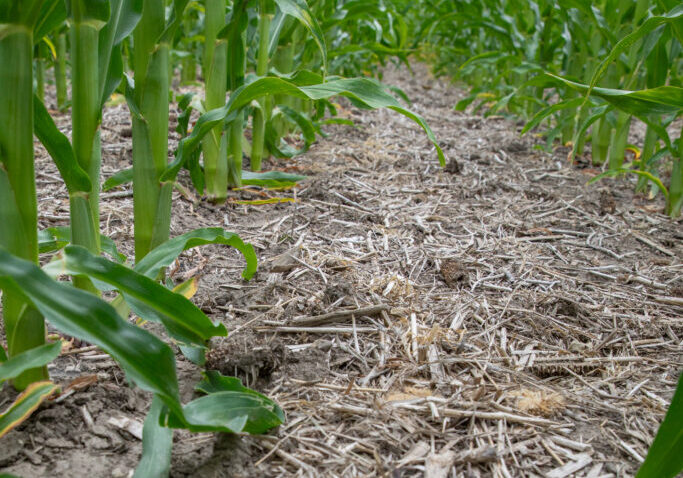
Biologicals, Another Tool in the Sustainability Toolkit?
The ISAP Science Committee recently invited researchers, Assistant Professor Dr. John Jones and Research Assistant Professor Dr. Connor Sible, from the University of Illinois for an in-depth conversation on the state of biologicals / biostimulants in the agricultural industry. There is growing interest within the sustainable and regenerative agriculture landscapes, and the goal of this conversation was to clarify the...
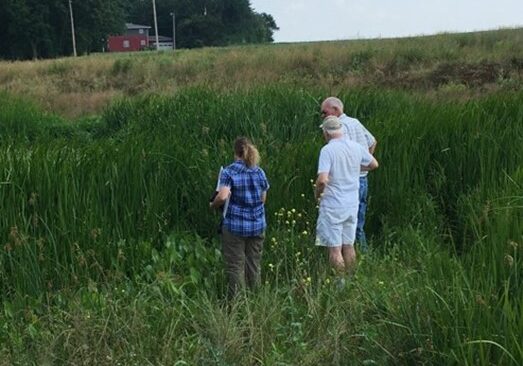
Using ACPF Output Maps to Foster More Impactful Conservation Conversations
By: Adrienne Marino and Jill Kostel Effective communication is essential to advancing the adoption of agricultural conservation practices. One powerful tool that supports these efforts is the Agricultural Conservation Planning Framework (ACPF)—a science-based, data-driven approach to watershed planning that helps stakeholders visualize conservation opportunities and better understand the landscape. Recent and current ISAP efforts are utilizing ACPF tools, and ISAP members...
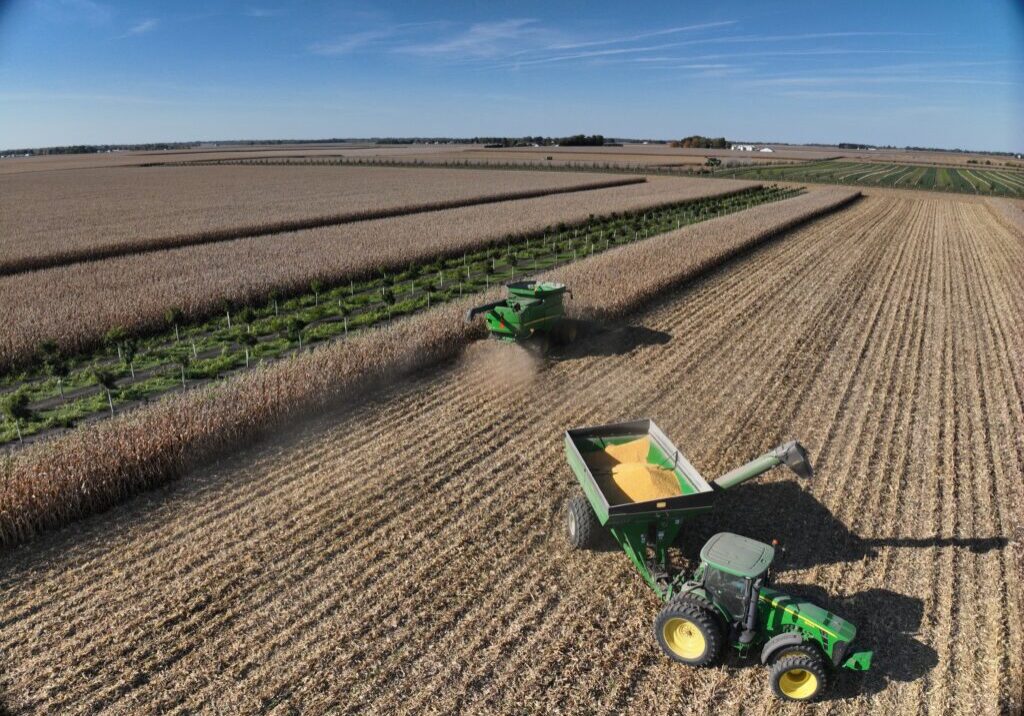
Illinois Conservation On Farm-Network: Integrating Trees, Crops, and Nutrient Loss Strategies
On September 10th, our new and improved Illinois Conservation On-Farm Network (ICON) hosted MJ Oviatt and Kaitie Adams from the Savanna Institute. Oviatt is the organization’s Illinois Forestry Educator and Adams is the Demonstration Farms Director. The pair joined us to discuss the opportunities and benefits associated with incorporating agroforestry concepts and practices on traditional agricultural landscapes. Agroforestry can be...
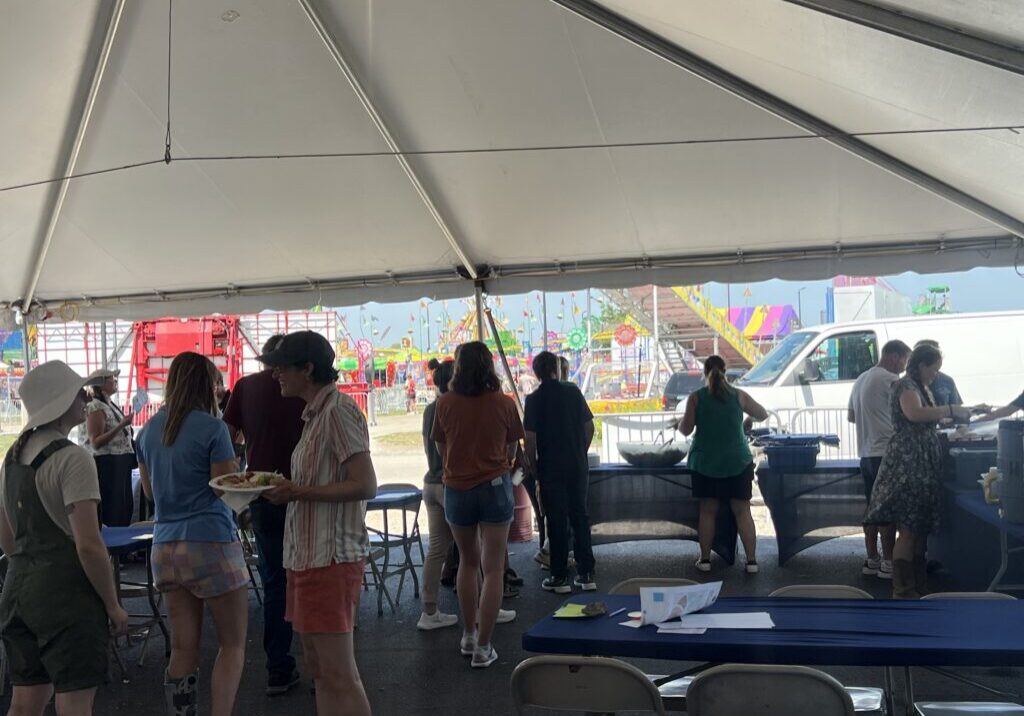
Cultivating Connections: Ag Professionals Come Together for Networking and Reflections on 10-Years of NLRS
Written by: Lisa Martin and Rachel Lechuga Very hot weather on Ag Day at the Illinois State Fair did not deter a dedicated group of conservationists from enjoying the opportunity to reflect on their hard work over the years in the conservation agriculture space. Attendees networked over a delicious meal, participated in fun trivia and face painting, and shared their...
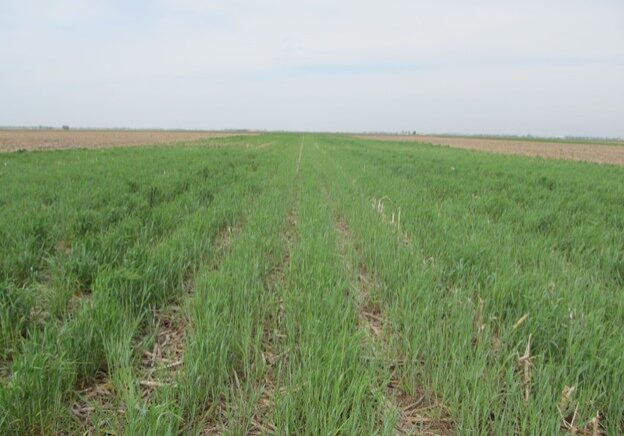
Reducing Nitrate Loading Without Sacrificing Crop Yields
Soil nitrogen, in the form of nitrate, is highly soluble and held weakly to soil which can be a cause of concern for water quality when rain or irrigation moves nitrate below the root zone into tile lines or groundwater. Largely from fall applied nitrogen, asynchronous availability of plant N and uptake of N can result in high tile nitrate...